
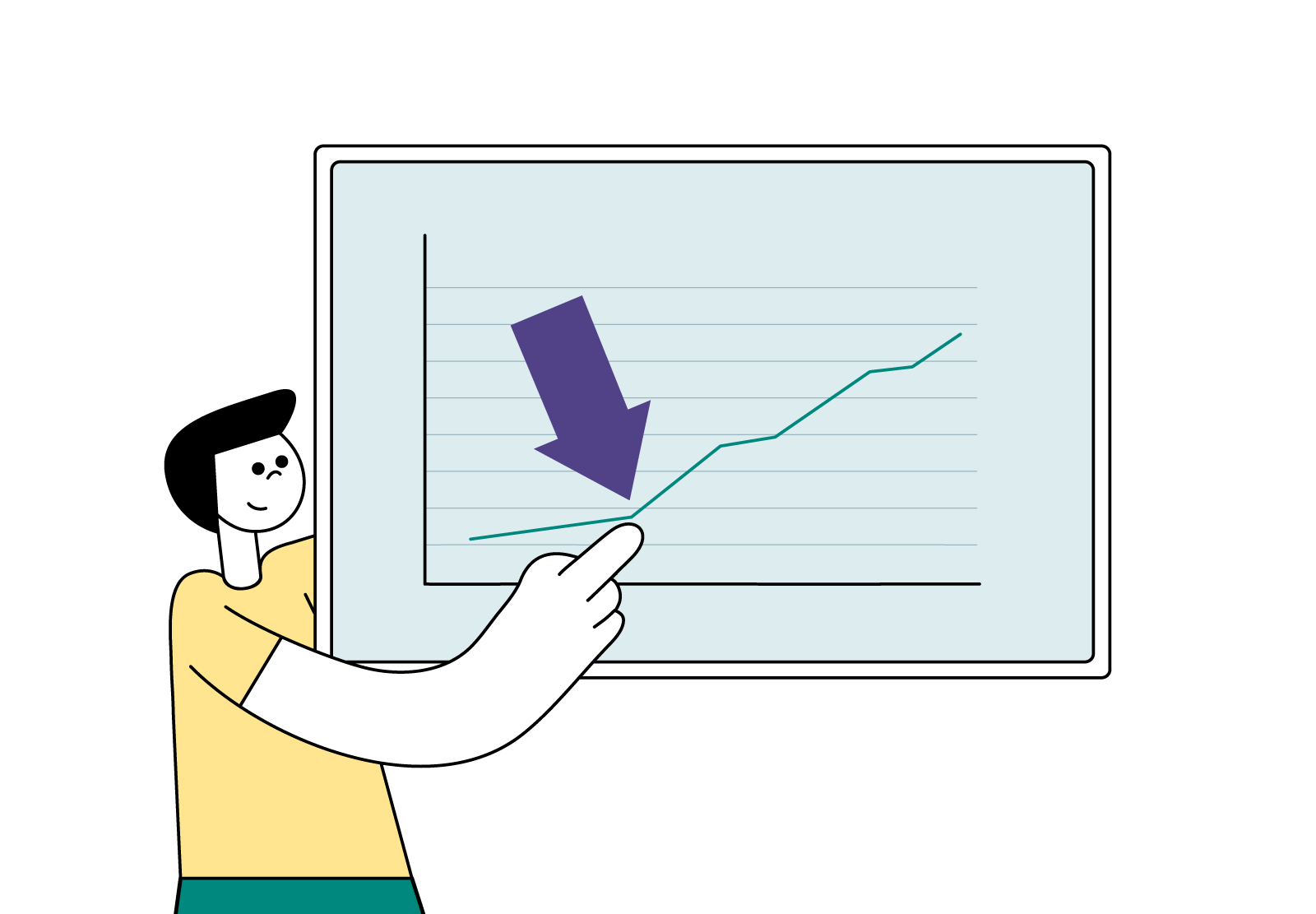
Imagine you’re working from home, and a pounding headache arrives. You take some painkillers, drink a big glass of water, and go and have a lie down for 20 mins. Mercifully, the headache subsides, and you’re back to your day.
A couple of months later the same headache arrives with a vengeance, but this time you’re on the way to a client meeting.
How do you get rid of the headache? Do you need painkillers? Will water suffice? Do you need somewhere to lie down? You haven’t got time for all three!
Because last time you did all three, even though the problem was solved, you’re not sure which approach actually worked.
Throwing everything at it
This happens in business all the time. When we have a problem, it can be tempting to throw a few things at it to make it go away. Especially when we already have a few ideas about what needs to change.
But making too many changes at once often means that, even if we fix the problem, we don’t know what actually worked. And that means, when the problem comes back next time, we’re back in the same position we were before.
Moreover, it can be more difficult to get buy-in when you’re proposing too many changes at once.
The benefit of certainty
It can feel difficult to purposefully not make changes if you know they’ll fix the problem. Slowing down can feel against your gut instinct. After all, by making changes one at a time and measuring the results each time, you might prolong the problem slightly.
But the benefit is that you know definitively how to solve the problem next time. You come out of the experience with knowledge and certainty. You can point to when things started improving, and say definitively why that was. You have turned a complex situation into a merely complicated one.
This is a much more repeatable, scalable and resilient way of problem solving.
So next time you have a problem and want to push it away as fast as possible, think: how can I solve the problem more slowly, but in a way that give me more knowledge and certainty?
And if you're unsure which solution to do first, try a weighted matrix.
Read next
Quick Reads · 3 mins
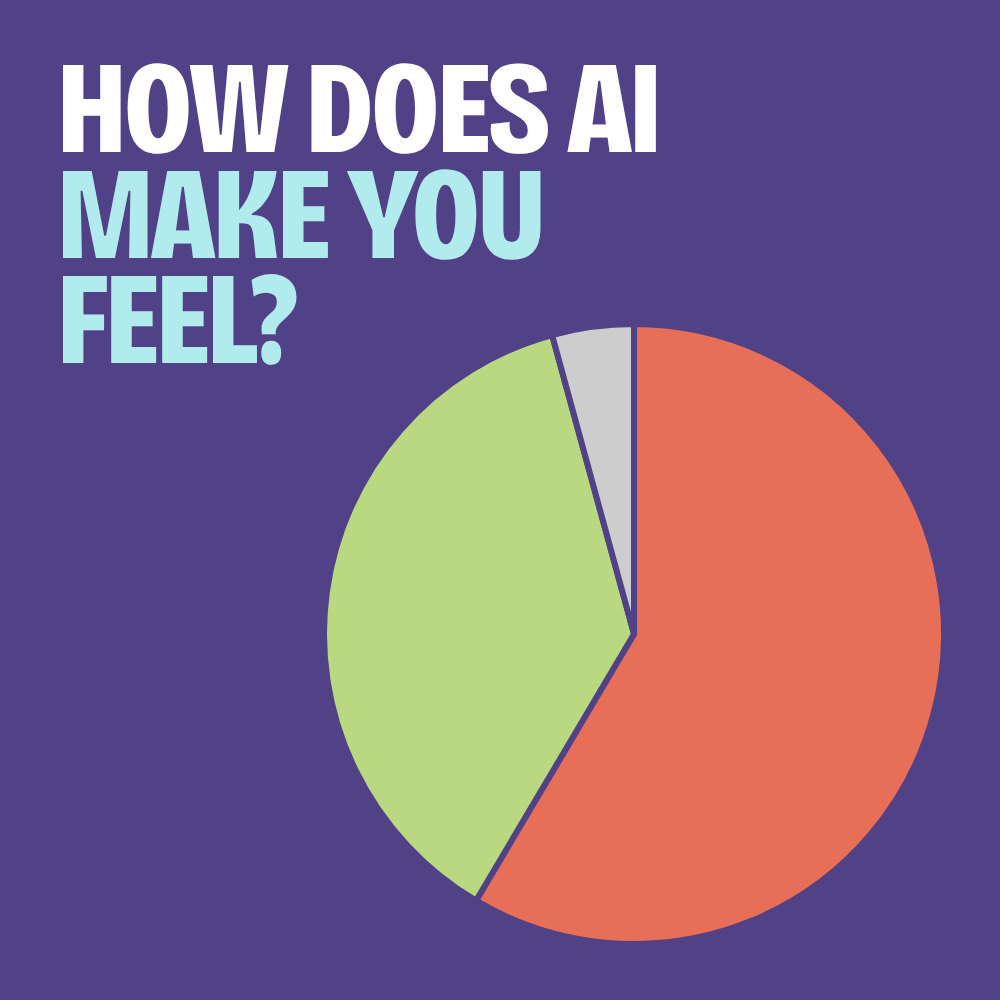
Queer Resilience for an AI Age: The Numbers
During a recent conference masterclass session, we explored how LGBTQ+ people are feeling about AI, and what it means for the leadership of their teams.
News · 2 mins
Queer Resilience for an AI Age
When tech can do the tasks we've built our careers around, where does our value lie? In this interactive session, Tom demonstrates how LGBTQ+ resilience is more important than we might think for leading teams into an AI age.

Quick Reads · 2 mins
Changing too much at once
When a problem arrives, it’s tempting to throw every fix at it at once. But if it works, can you say why? The case for changing one thing at a time.