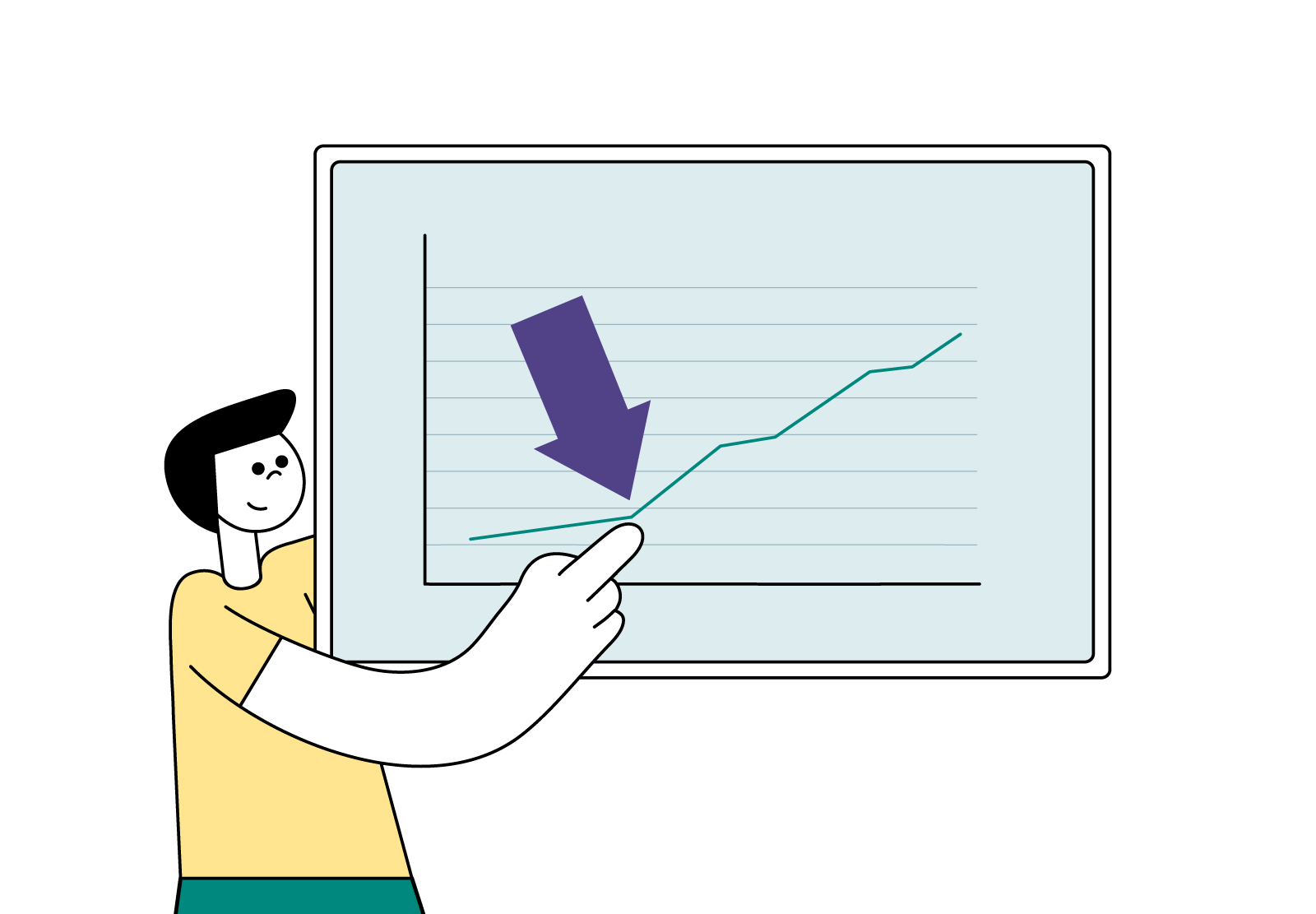
Instead of mapping how work should happen, gather your team and map where it hurts.
This play is for when:
- You all agree something needs to change
- You're faced with a 'blank page'
- You need to avoid repeating old mistakes
How to Play
Step 1
Rather than trying to 'start at the end' and come up with a new solution, instead, start with what you know all too well: the pain.
Each team member contributes one or two key points. These could be:
- A pain you're facing
- A bottleneck you're experiencing
- A workaround you're using
You can do this using post-its or a virtual whiteboard like Miro.
Step 2
Review the contributions together, and ask yourselves the question:
“Why is this happening?”
Spend 10 minutes as a team discussing. Write down one or a few answers.
Next, take your answer, and ask again:
"Now, why is this happening?"
Again, discuss as a team and answer the question. Repeat this process until you've asked "why?" 5 times in total.
Step 3
Once finished, you should have a list of root causes to the pains your team are experiencing.
Finally, prioritise these together as a team.
Why it works
Teams are often too close to their routines to see where effort is being wasted. Focusing on pain points rather than formal processes surfaces what people quietly tolerate and rarely question.
This is called the Five Whys and is a technique used to really drill down into the root cause of something.
Rigorously asking "why?" ensures any superficial causes are picked apart until you arrive at a problem really worth solving.
Use it to
- Identify where new ideas can remove friction
- Spot low-effort, high-impact improvements
- Build empathy between teams that rely on one another
How did it go?
If you try this play I'd love to know how it went for you.
I want Big Echo's plays to be the go-to source for sparking new thinking in teams. If you think this play can be improved, let me know!
Read the Story
Read more about the importance of mapping pain over process in our innovation story, below.
Read next
Quick Reads · 3 mins
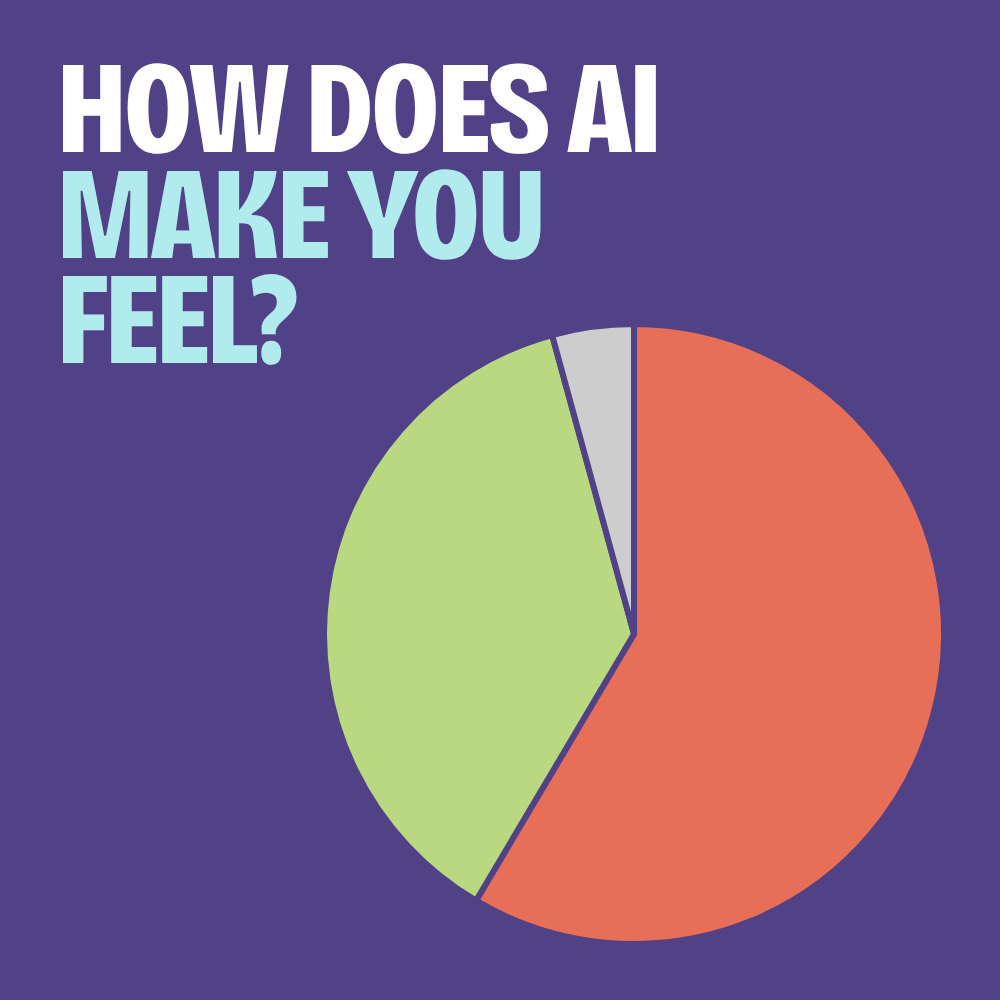
Queer Resilience for an AI Age: The Numbers
During a recent conference masterclass session, we explored how LGBTQ+ people are feeling about AI, and what it means for the leadership of their teams.
News · 2 mins
Queer Resilience for an AI Age
When tech can do the tasks we've built our careers around, where does our value lie? In this interactive session, Tom demonstrates how LGBTQ+ resilience is more important than we might think for leading teams into an AI age.

Quick Reads · 2 mins
Changing too much at once
When a problem arrives, it’s tempting to throw every fix at it at once. But if it works, can you say why? The case for changing one thing at a time.